
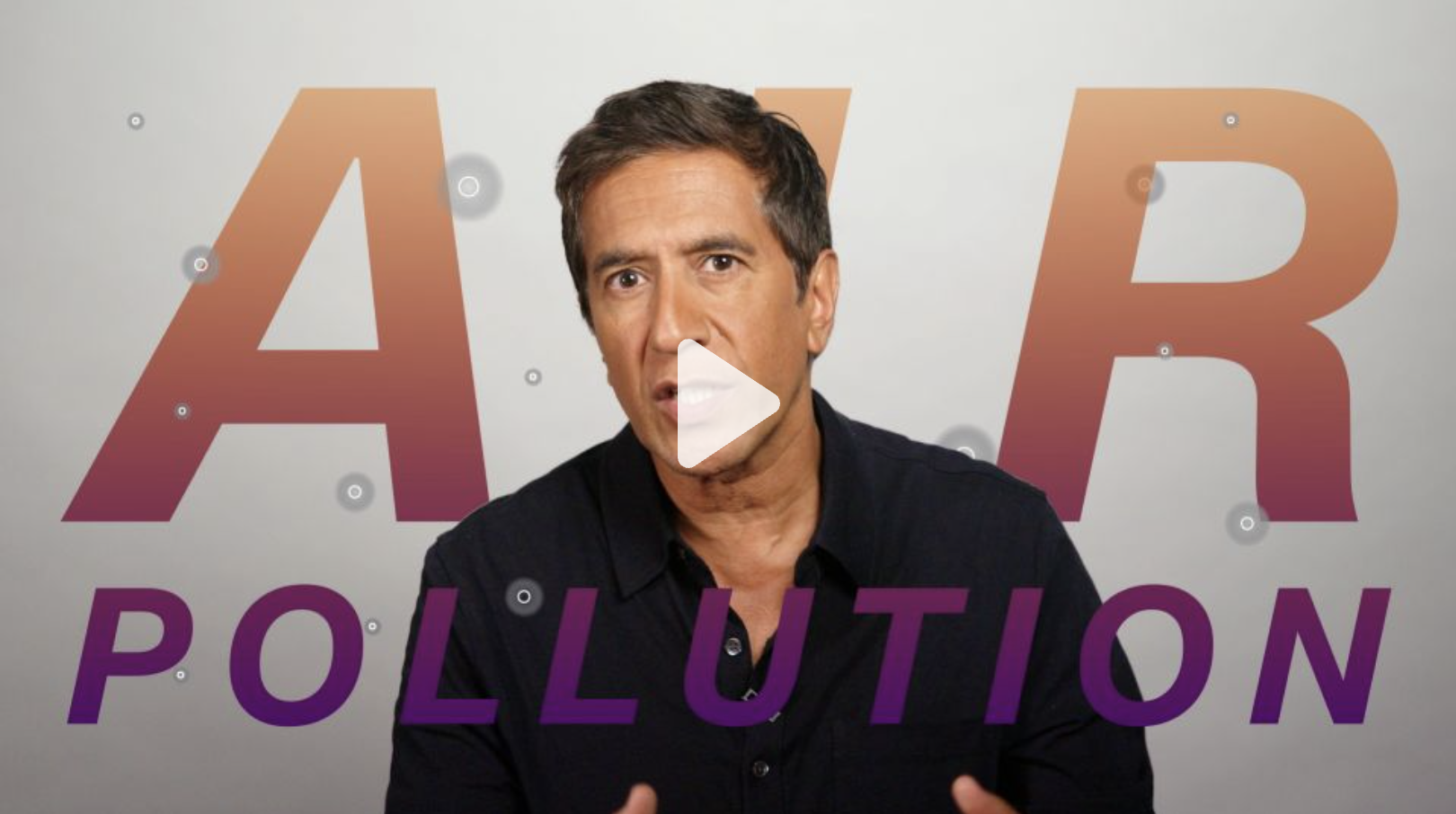
It’s hard to imagine but even air that appears “clean” can be harmful. CNN’s Dr. Sanjay Gupta explains that several invisible factors affect our air quality, leading to potential health risks. These factors can be attributed to both natural and human-made sources, infiltrating the air we breathe daily.
Factors Affecting Air Quality:
- Particulate Matter (PM): Dr. Gupta emphasizes the role of PM2.5 and PM10, microscopic particles originating from sources like vehicle emissions, industrial processes, and natural occurrences like wildfires. These particles, invisible to the naked eye, can penetrate deep into our lungs and bloodstream, leading to respiratory and cardiovascular issues.
- Gaseous Pollutants: He also highlights the dangers of gases like ozone, nitrogen dioxide, and sulfur dioxide. These gases, resulting from chemical reactions between various pollutants, can cause respiratory problems, irritate the eyes, and exacerbate preexisting health conditions.
- Volatile Organic Compounds (VOCs): Dr. Gupta alerts viewers to the risks of VOCs, organic chemicals released from everyday items like paints, cleaners, and even cosmetics. VOCs can lead to a range of health problems, from mild irritations to severe organ and nervous system damage.
Steps to Stay Safe:
Amidst these invisible threats, Dr. Gupta provides actionable steps to mitigate risks and protect our health:
- Stay Informed: Keep an eye on the air quality index through reliable sources or apps. Knowledge about the current air quality can guide your daily activities and exposure.
- Limit Outdoor Activities: On days with poor air quality, especially for sensitive groups, reducing outdoor activities and avoiding strenuous exercise can minimize exposure to harmful pollutants.
- Indoor Air Quality: Improve indoor air by using improving your Heating, Ventilation, and Air Conditioning (HVAC) filtration and ensuring proper ventilation to dilute indoor pollutants.